Working from home offers real freedom — but it also demands real discipline. The habits you build in the first few weeks of home working tend to persist, for better or worse, for the entire duration.
Key Takeaways
- Getting dressed every day and maintaining regular hours creates the professional mindset that sustains productivity long-term.
- A dedicated workspace is the most important physical habit — without it, work and home life blur destructively.
- Isolation is a genuine risk — schedule social contact proactively, do not wait until you feel lonely.
- Health habits matter more when you are sedentary at home all day — build movement and proper meals into your routine deliberately.
- Keeping in touch with clients and collaborators is a professional responsibility, not an optional social activity.
Do’s of Working From Home
Do get dressed every day. Doing this means you are treating your business like a normal business and not just as a hobby. It creates the right mindset for productivity.
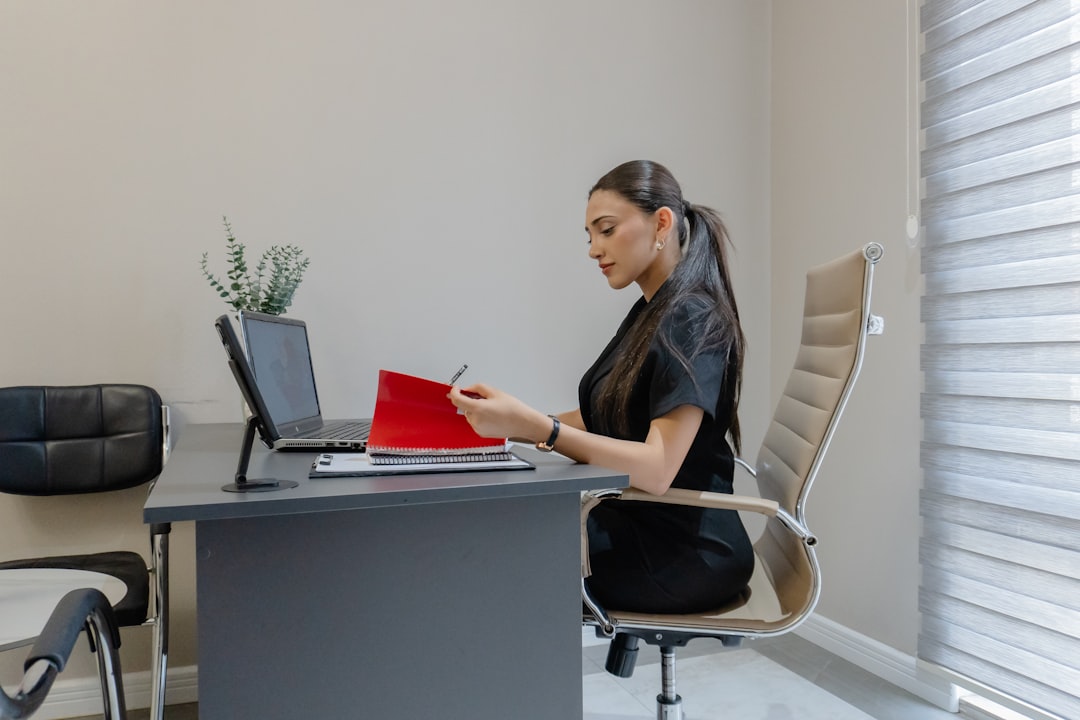
Do define your workspace. Have a separate room or area dedicated to working. Separate work from home tasks. Choose a space that has low human traffic. Do not choose a busy space such as kitchen or living room, because it has too many distractions.
Do give yourself breaks. Do not lock yourself in a room for hours without going on short breaks. A 15-minute break will relax your mind and help you process and retain information better. The quality of your work will improve.
Do track your time. Create a way for you to track your time. There are simple time-tracking tools available that help you keep track of your time and tasks. This will allow you to analyse how you can better manage your time.
Don’ts of Working From Home
Don’t stop working if you’re having a bad day. At times you may not be in the mood to work, or you just don’t feel productive. Train yourself to go beyond your moods and continue working — consistency is the foundation of a successful home-based career.
Don’t be anti-social. Working at home does not mean leading a reclusive life. Leave the house regularly to meet up with friends and clients, or simply to get some fresh air.
Don’t forget to keep your work area tidy. A workspace that is organised and tidy helps you increase your productivity and keeps your mind clear.
Don’t take your health for granted. Do not skip meals and eat healthily. Take precaution against developing bad habits from the sedentary nature of desk work.
Don’t lose touch with your clients. Do not assume that your clients will think of you for their next project. Keeping in touch with them is a good way to stay front of mind for future work.
Don’t lose focus on the reason why you are working from home. Having control of your personal life is probably the main reason why you are working from home. Do not neglect your family and friends. Spend quality time with them.
Going Deeper: The Habits That Make the Difference
The do’s and don’ts above are principles. Here is how to turn them into practical systems.
Build a morning startup routine. The transition from home to “work” without a commute is psychologically abrupt. A consistent startup routine — the same sequence every working morning — replaces the function that the commute served: mentally preparing you to shift into work mode. This might be: coffee, 10 minutes of reading, opening your task list, and stating your top three priorities for the day. The specific sequence matters less than the consistency.
Use time-blocking instead of to-do lists. To-do lists accumulate tasks without allocating time. Time-blocking assigns specific work to specific time slots in your calendar, making your day structured without requiring physical office presence to maintain it. Block your highest-value, most cognitively demanding work during your personal peak hours (usually morning for most people), and schedule admin, calls, and emails for lower-energy periods.
Manage digital distractions intentionally. Working at home means your phone, social media, and streaming services are always within reach. Willpower alone is not a reliable defence. Use tools like Freedom, RescueTime, or built-in screen-time features to enforce focus periods. Turn off non-essential notifications permanently — the default notification settings on most devices are designed to maximise engagement, not your productivity.
Schedule weekly review sessions. At the end of each week, spend 20–30 minutes reviewing what you completed, what did not get done and why, and what your priorities are for the following week. This habit provides the structural accountability that a manager or office environment typically supplies — and prevents weeks from slipping past without progress on important work.
Address the loneliness problem directly. This deserves emphasis because it is the most underestimated challenge in remote work. Remote workers consistently report loneliness as their top challenge, even when their work itself is going well. Do not rely on Slack messages and video calls to meet your social needs — they can supplement but not replace in-person human contact. Build at least two in-person social activities into every working week, whether professional or personal.
Remember that your home-based job deserves as much — if not more — attention and dedication than office-based work. The absence of external structure means the discipline must come entirely from within.
For guidance on launching a home-based business, see: Before You Launch Your Home-Based Business
Frequently Asked Questions
What is the most important do when working from home?
Defining a dedicated workspace is consistently ranked as the highest-impact habit for home workers. Physical separation between where you work and where you live reduces distraction, signals to household members that you are in work mode, and helps you mentally switch off at the end of the day.
What is the biggest mistake people make when working from home?
Failing to maintain social contact is one of the most commonly reported problems. Many home workers underestimate how much incidental social interaction they were getting in an office until it disappears. Schedule deliberate social contact — calls, coffee meetings, coworking sessions — as a non-optional part of your week.
How do you avoid overworking when you work from home?
Set a firm end-of-work time and stick to it. Close your laptop, physically tidy your workspace, and create a brief end-of-day ritual that signals to your brain that work is done. Without these boundaries, work tends to expand into evenings and weekends, leading to burnout.
Is it okay to take breaks when working from home?
Yes — taking regular, structured breaks is a productivity strategy, not laziness. Research on the Pomodoro Technique and similar methods consistently shows that short breaks (5–15 minutes every 90 minutes) improve focus and output quality compared to unbroken work sessions.
How do you stay professional with clients when working from home?
Maintain professional communication standards — prompt responses, well-written messages, reliable delivery on commitments. For video calls, ensure your background is tidy and well-lit, your audio is clear, and you dress appropriately. Clients cannot see your workspace, but they can tell when someone’s attention and professionalism have slipped.
Get 50 Interview Questions + Expert Answers — Free
Join thousands of job seekers who've used our free guide to land more interviews.
Next step for your job search
Pick one guide and keep momentum.
Jobiety Editorial Team
Our editorial team researches and tests every piece of career advice we publish. We draw on real hiring data, interviews with recruiters, and hands-on experience to give you guidance that works.