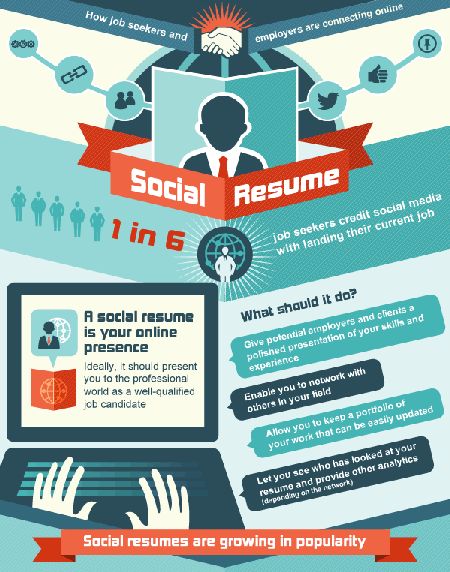
A social resume is a collection of your social media profiles presented in a way that gives employers a coherent, professional picture of who you are — not just what you have done on paper.
Key Takeaways
- Your social media presence is now part of your job application whether you curate it or not — take control of it.
- Build a clear professional niche online rather than trying to be a generalist.
- Create content that demonstrates expertise rather than simply claiming it.
- Mix personal and professional content carefully — cultural fit matters, but professionalism is non-negotiable.
- LinkedIn is the most important platform for most job seekers and should align closely with your CV.
Due to the immense growth of social media, employers and recruiters now routinely look up candidates online before, during, and after reviewing a paper application. Your social resume — whether you have deliberately built one or not — is already being seen. The question is whether it is helping or hurting you.
If your paper resume is what you did, your social resume is who you are. Employers want to know both.
What a Social Resume Can Include
Your social resume can draw from a range of platforms depending on your industry and career goals:
- LinkedIn: The foundation for almost every professional’s social resume. Your complete work history, skills endorsements, recommendations from colleagues and managers, and published articles all live here.
- Twitter/X: Valuable for professionals in media, journalism, tech, policy, marketing, and academia — spaces where your commentary and engagement with industry conversations signal active involvement in your field.
- GitHub: Essential for developers. A well-maintained GitHub profile with contributions to open-source projects is often more persuasive than a traditional resume for technical roles.
- Behance / Dribbble / Portfolio sites: For designers, illustrators, photographers, and creative professionals, a visual portfolio is often the most important element of a social resume.
- Personal blog or newsletter: Consistently publishing useful, insightful content positions you as a practitioner who thinks seriously about their field.
Focus your effort on the platforms where your target employers and industry peers are most active, not on maintaining a presence everywhere at once.
For guidance on how your social resume connects to your overall job search strategy, see: How to Write a CV That Gets Interviews in 2026.
4 Tips for Building a Successful Social Resume
1. Build your brand.
Establish a clear, consistent professional identity online. When people browse your social media presence, they should come away with a specific sense of your expertise and perspective — not a vague impression of someone who posts occasionally about everything and nothing.
Choose the niche you want to occupy in your field and build your brand around it. A marketing professional known for clear, evidence-based takes on B2B content strategy is memorable. Someone who posts equally about marketing, personal development, travel, and politics is not.
Consistency matters across platforms too. Your LinkedIn headline, Twitter bio, and any portfolio site should tell a coherent story. Someone who searches your name and finds conflicting or outdated information across platforms is not getting a confident picture of who you are.
2. Create reusable content.
The most effective social media content for professional brand-building is content that others want to share — not because of who you are, but because of the value of what you say. Think: practical frameworks, useful data, contrarian but well-argued opinions, summaries of complex topics, or case studies from your own experience.
A single well-crafted post or article that gets widely shared builds your professional reputation faster than months of low-effort updates. Quality over quantity — one substantive post a week is better than daily filler.
3. Demonstrate expertise, don’t claim it.
There is nothing less convincing than someone who announces their own mastery. Instead of writing “I am a leading expert in supply chain optimisation,” publish a post showing how you solved a specific supply chain problem and what the outcome was. Let readers draw the conclusion.
The same rule applies to your LinkedIn summary. Replace “innovative thought leader with exceptional communication skills” with specific examples: the project you delivered, the problem you solved, the outcome you drove. Concrete specifics are always more credible than abstract superlatives.
4. Mix business with pleasure — carefully.
Contrary to strict conventional wisdom, it is acceptable to let some personality into your professional social media presence. Showing that you are a person — with interests, values, and a sense of humour — can make you more memorable and demonstrate the kind of cultural fit that CVs cannot convey.
The qualifier is: everything you blend into your public professional presence should support, not undermine, your credibility. Sharing that you completed a long-distance charity run signals discipline and commitment. Sharing inflammatory political content or unflattering photographs from a weekend night out does the opposite.
Before each job search, do a full audit of your social media presence and restrict or remove anything you would not want a hiring manager to see.
Common Social Resume Mistakes
- Leaving profiles incomplete or outdated: An inactive LinkedIn profile with an old photo and missing roles is worse than no LinkedIn presence at all — it suggests disengagement.
- Inconsistent information: If your CV says you were employed somewhere until March 2024 but your LinkedIn shows you leaving in September 2023, that discrepancy will be noticed.
- Posting unprofessional content without privacy settings: Assume that anything publicly posted can and will be seen by a potential employer.
- No recommendations on LinkedIn: Specific, credible recommendations from managers, clients, or colleagues substantially strengthen your social resume.
- Ignoring engagement: A profile where you post but never comment, share, or engage with others looks performative. Genuine participation in professional conversations builds both your network and your visibility.
Frequently Asked Questions
What is a social resume and why does it matter?
A social resume is a curated collection of your social media profiles that together show who you are as a professional — not just what you have done. Recruiters and employers routinely search candidates online, so a strong social presence can reinforce your paper CV and open doors that job boards cannot.
Which social media platforms matter most for a professional social resume?
LinkedIn is the most important platform for professional presence in almost every industry. Depending on your field, Twitter/X, GitHub (for developers), Behance or Dribbble (for designers), or a personal blog may also add meaningful credibility. Focus on the platforms where your target employers are active.
How do I build a personal brand on social media for job searching?
Choose a clear professional niche and consistently share insights, analysis, or commentary in that area. Engage thoughtfully with others’ content, publish original posts that demonstrate your expertise, and ensure your profile and tone are consistent across all platforms.
Is it safe to mix personal and professional social media content?
It can be, with care. Personal content that reflects your values and interests can humanise your professional profile and demonstrate cultural fit. However, anything that could undermine your professional credibility — controversial opinions unrelated to your field, unprofessional photographs — should be kept private or removed.
How do I clean up my social media before a job search?
Review your public posts, photos, and profile information on every platform. Remove or restrict anything you would not want a hiring manager to see. Update your LinkedIn headline, summary, and profile photo to be current, professional, and consistent with your CV.
Get 50 Interview Questions + Expert Answers — Free
Join thousands of job seekers who've used our free guide to land more interviews.
Next step for your job search
Pick one guide and keep momentum.
Jobiety Editorial Team
Our editorial team researches and tests every piece of career advice we publish. We draw on real hiring data, interviews with recruiters, and hands-on experience to give you guidance that works.