You are setting up your own business. To save on office rental costs, you have decided to work from home. Review the practical tips below and determine whether you are prepared to work from home.
Key Takeaways
- A dedicated, low-distraction workspace is the single most important physical element of a successful home office.
- Self-discipline and a professional mindset — including getting dressed and keeping regular hours — are non-negotiable for sustained productivity.
- Separate business tools (phone line, internet, printer) from personal ones to maintain professional boundaries and accurate cost tracking.
- Most people underestimate how socially isolated home working can feel — plan for regular human contact outside the home.
- Have a backup plan for technology failures — your business should not stop because your internet goes down.
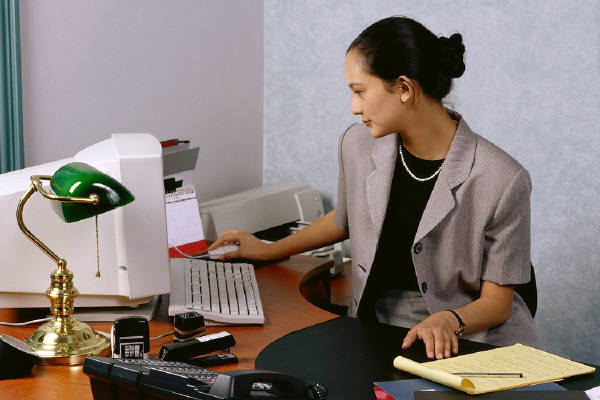
Set up your workstation in a part of the house that has lots of light and air. Choose a spot that is away from the busy areas of your house. Do not set up near the kitchen or front door where your family members come and go. It will be very distracting for you and difficult for your kids too.
Create a mindset of professionalism by playing the part of an office worker. This means dressing up appropriately and separating yourself from distractions such as the noisy TV or your tempting couch.
Organize your supplies just like you are in a corporate setting. Maintain neatness and efficiency by keeping supplies in a nearby cupboard and keeping within reach those supplies that you use most often.
Separate business from personal matters. If you have a busy phone line for family use, get a separate phone line for your business. The same thing applies for other tools such as internet connection, fax machines, printers, and scanners.
Have a dedicated area and separate your own equipment from the rest of your household. Create a visual separation by putting a stylish barrier to separate your home office from the rest of the home. This will improve your productivity and even help you trace your costs.
Get the right tools and services. Aside from the must-have equipment such as a computer with internet connection, other entrepreneurs also need a fax machine, extra monitors, multiple phone lines, and scanners. Make sure you have a backup plan in case something goes wrong.
Are You Honestly Ready? A Self-Assessment
Before making the leap to home-based work, be honest with yourself about these factors.
Do you have genuine self-direction? Working from home means no manager walking past your desk, no office culture keeping you on track, and no social pressure to look busy. The people who thrive are those who can create their own structure and hold themselves accountable to output targets without external supervision.
A simple test: think about the last time you had a free, unstructured day at home. Did you naturally create a productive structure for yourself, or did the day drift? Your honest answer to this question is more predictive of your work-from-home success than any productivity tool you could buy.
Do you have the right living situation? A one-bedroom flat shared with a partner who also works from home, or a house with young children present throughout the day, creates fundamentally different challenges than a home with a spare room and quiet hours. Assess your actual living situation — not the idealised version — before committing.
Can you handle social isolation? Regular interaction with colleagues, lunch meetings, and casual office conversation are social needs that many people do not recognise until they disappear. Research consistently shows that loneliness is one of the primary challenges reported by home workers. Plan proactively: schedule coffee meetings, coworking sessions, or professional events to maintain regular human contact.
Setting Up Your Home Office for Maximum Productivity
If you have assessed yourself honestly and decided home working is right for you, here is how to set up for success.
Invest in your chair and desk. You will spend thousands of hours at this workstation. A proper ergonomic chair (not a dining chair) and a desk at the right height prevent the back and neck problems that plague home workers. This investment pays for itself in avoided physiotherapy costs and sustained productivity.
Manage your digital environment deliberately. Install website blockers (Freedom, Cold Turkey) for your focused work periods. Turn off non-essential notifications. Designate specific times for email and messaging rather than responding in real time throughout the day. The open-plan office creates visible social accountability for focus; working from home means building that accountability through tools and habits instead.
Create start-of-day and end-of-day rituals. The boundaries between work and home life blur dangerously when both happen in the same space. A consistent morning routine — the same start time every day, the same preparation sequence — signals to your brain that work is beginning. An end-of-day ritual that physically closes your workspace (closing the laptop, tidying the desk, a short walk) signals that work is finished. These rituals are not optional — they are what prevent work from expanding to fill all available space in your life.
Have a communication protocol with your household. If other people are home during your working hours, establish clear signals for “do not disturb” — a closed door, headphones on, a simple note. Children especially need predictable and consistent cues. Explain the rules, enforce them consistently for the first two weeks, and they become self-sustaining habits.
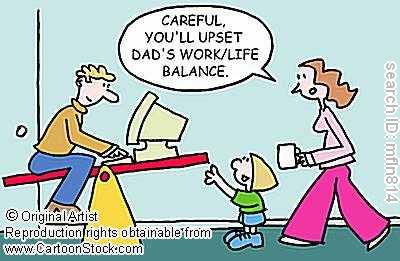
Most people think that working from home is exciting and easy. In actuality, working from home can be very stressful without the right structures in place. Self-discipline is the non-negotiable foundation.
Frequently Asked Questions
What do you need to start working from home effectively?
At minimum, you need a dedicated workspace away from high-traffic household areas, a reliable internet connection, and equipment appropriate to your work. Equally important are psychological habits — a consistent start time, boundaries with household members, and a defined end-of-day routine.
Is working from home suitable for everyone?
Not everyone thrives working from home. People who need strong social interaction to stay motivated, or who struggle with self-directed work, often find home working isolating and unproductive. Honest self-assessment of your working style before committing to remote work saves significant frustration.
How do you stay productive when working from home?
The most effective strategies are time-blocking your schedule, eliminating digital distractions during focused work periods, taking regular short breaks, and maintaining a consistent daily routine. Many remote workers also find that getting dressed in work-appropriate clothing improves their focus and professional mindset.
How do you separate work life from home life when working remotely?
Physical separation — a dedicated workspace with a door, if possible — is the most effective boundary. Also define a firm end-of-day time, disable work notifications after hours, and create a brief end-of-day ritual (a short walk, a specific playlist) that signals to your brain that the workday is over.
What equipment is essential for a home office?
A reliable computer, stable internet connection, and a comfortable chair and desk are the non-negotiables. Depending on your work, you may also need a high-quality webcam and microphone for video calls, a second monitor for productivity, noise-cancelling headphones, and a printer or scanner.
Get 50 Interview Questions + Expert Answers — Free
Join thousands of job seekers who've used our free guide to land more interviews.
Next step for your job search
Pick one guide and keep momentum.
Jobiety Editorial Team
Our editorial team researches and tests every piece of career advice we publish. We draw on real hiring data, interviews with recruiters, and hands-on experience to give you guidance that works.