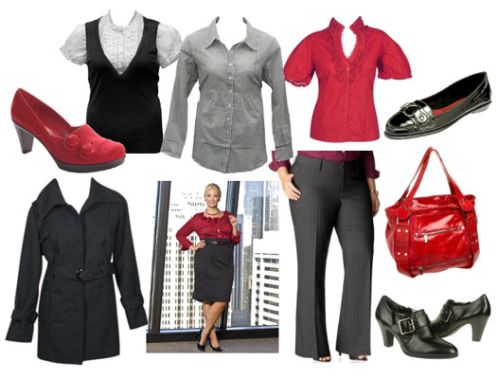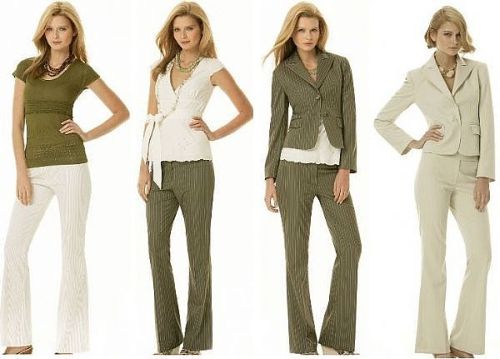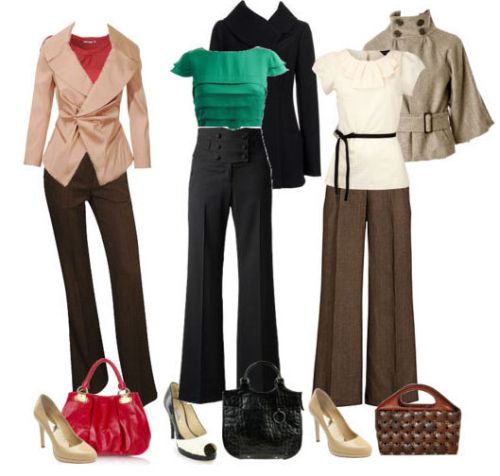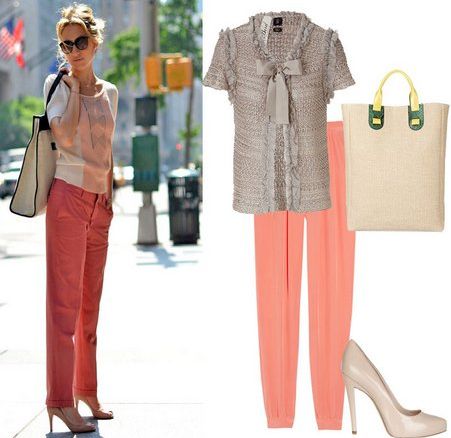
The summers this time have been exceptionally warm and humid. Needless to say, the demand for work wear that is more comfortable in such weather is high — but staying cool and staying professional are not mutually exclusive.
Irrespective of gender, corporate work wear has to be both formal in appeal yet comfortable when worn. Because you are in an office for an average of nine or more hours, work wear must be not only official but also genuinely wearable throughout the day.
Key Takeaways
- The right fabric choice matters more in summer than any other season — natural fibers like cotton and linen outperform synthetics in both comfort and appearance as the day progresses
- Light colors reflect heat; loose fits allow airflow — both are sensible adjustments that remain professional when done with intention
- Full-length clothing in breathable fabric often keeps you cooler than shorts or short sleeves, and is more appropriate in most professional environments
- Polyester and synthetic blends trap heat and perspiration — avoid them entirely for summer work wear
- Structure and fit matter just as much in summer as in winter — a well-fitted cotton blazer looks sharper than a cheap linen shirt worn loosely
While some companies will allow you to wear casual work wear in summer, others maintain stricter standards year-round. The solution is to find work wear that looks both corporate and comfortable — clothing that gives you more breathing space without sacrificing the professional appearance expected at work.
Guide to Corporate Work Wear in Summer
1. Choose light shades. Light colors reflect radiant heat rather than absorbing it, which genuinely keeps you cooler outdoors and more comfortable indoors. White, pale blue, light grey, and soft neutrals are all appropriate in corporate environments and work well in summer temperatures. In very conservative offices, verify that light-colored items are not transparent before wearing them to work — this is an easy issue to solve at home that becomes embarrassing if noticed in the office.
2. Choose a looser fit. Well-tailored, slightly relaxed clothing allows air to circulate between fabric and skin, which is the primary mechanism of cooling through clothing. This does not mean oversized or sloppy — it means avoiding very tight-fitting trousers, shirts that pull across the shoulders, or blazers that restrict movement. A professionally fitted garment with a centimetre of ease looks polished and wears more comfortably through a long day.
3. Wear cotton fabrics. Synthetic or semi-synthetic fabrics stick to the skin as you perspire, becoming increasingly uncomfortable as the day progresses. Cotton absorbs moisture and breathes, maintaining both comfort and appearance. Linen is even more breathable but wrinkles more easily — linen-cotton blends often give you the best of both. Bamboo-derived fabrics are another excellent option for summer work wear: very soft, breathable, and increasingly available in professional styles.
Guide to Casual Work Wear in Summer
1. Wear full-length clothing. This recommendation surprises people, but full-length trousers and long-sleeved tops in lightweight fabrics often keep you cooler than shorts and short sleeves. The fabric absorbs perspiration and creates a slight airflow barrier, and you are protected from both direct sun during your commute and aggressive air conditioning in the office. Shorts and mini-skirts may feel cooler in direct sun but are typically not appropriate in professional environments regardless of the season.
2. Avoid polyester. As with corporate work wear, casual work wear made of natural materials wears far more comfortably in summer. Polyester traps heat and odor and looks progressively worse as the day goes on. Cotton, linen, or blended fabrics are almost always the better choice.
Practical Layering for Summer Office Work
One often-overlooked strategy is dressing for the temperature differential between outside and inside. Summer offices are frequently over-air-conditioned — cold enough to require a layer — which means you need clothing that works both in the heat outside and in a cold conference room. A light cotton blazer, a structured cardigan, or a scarf carried in your bag lets you adapt to both environments without changing your outfit.
This layering approach also ensures you always look professional for an unexpected meeting, a client visit, or an interview that is scheduled same-day.
For guidance on what to wear to an interview specifically — a higher-stakes version of the professional dressing question — see: How to Prepare for a Job Interview: The Complete Guide
Frequently Asked Questions
What fabrics are best for professional work wear in summer? Natural fabrics are the best choice for summer work wear. Cotton breathes well and absorbs sweat. Linen is lightweight and cool but wrinkles easily, so look for linen blends for a more polished look throughout the day. Avoid polyester and other synthetic fabrics, which trap heat and stick to the skin when you perspire.
What colors should I wear in a corporate environment during summer? Light shades — white, light grey, pale blue, and soft neutrals — are more heat-reflective than dark colors and are appropriate for most corporate summer environments. Avoid very bright or saturated colors in conservative workplaces, and choose patterns that are subtle rather than bold.
How can I stay professional while wearing lighter summer clothing at work? Choose lightweight fabrics in professional cuts rather than casual styles. A well-fitted cotton blazer, linen trousers, or a structured shirt in a breathable fabric maintains a professional appearance even in warm weather. The key is fit and structure — even lightweight fabric looks polished when it is well-cut and properly fitted.
What should I avoid wearing to a corporate office in summer? Avoid sleeveless shirts without a layer, very short hemlines, flip-flops, and anything that is too revealing or casual. Tight synthetic fabrics look worse as the day progresses in hot weather. Casual summer clothing — tank tops, shorts, open-toe shoes — is typically not appropriate in a corporate environment regardless of the temperature.
Can I wear full-length clothing in summer and still stay cool? Yes — and it is often the better choice. Full-length trousers and long sleeves in lightweight natural fabrics like linen or cotton actually help regulate body temperature by absorbing sweat and allowing airflow. They also protect against air conditioning, which can make offices uncomfortably cold even when it is hot outside.
Get 50 Interview Questions + Expert Answers — Free
Join thousands of job seekers who've used our free guide to land more interviews.
Next step for your job search
Pick one guide and keep momentum.
Jobiety Editorial Team
Our editorial team researches and tests every piece of career advice we publish. We draw on real hiring data, interviews with recruiters, and hands-on experience to give you guidance that works.