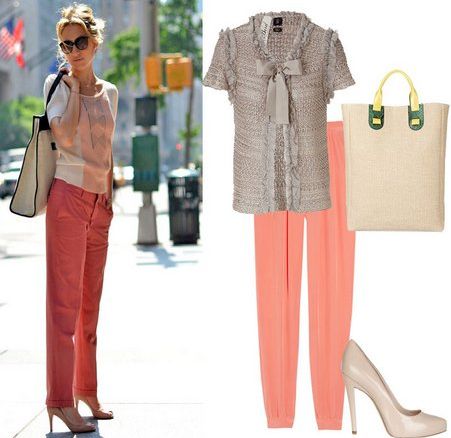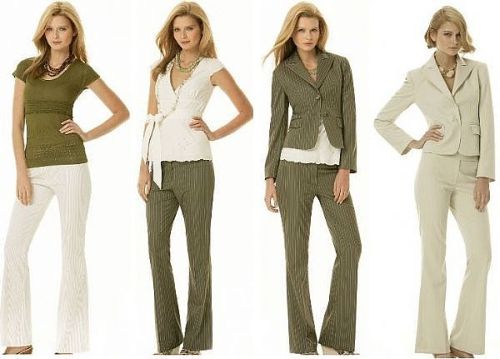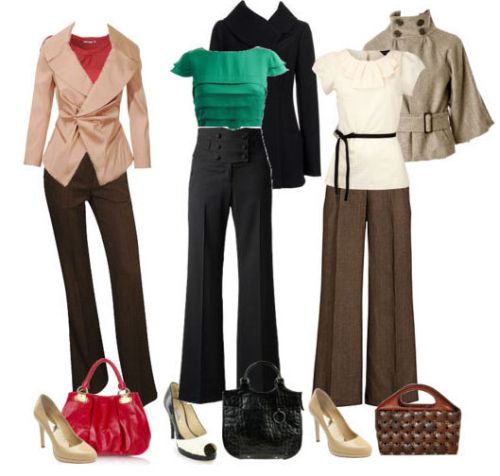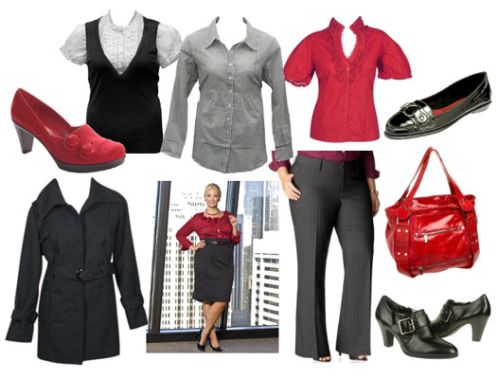
Getting dressed up for the office is a dilemma many professional women wrestle with at some point or another. Even while wearing business casual clothing, women are often either labeled as overdressed or underdressed — too formal or too relaxed. So how do you look both polished and personal at the same time?
The truth is there are no hard and fast rules as to what constitutes the best work clothes for women. But there are practical, proven principles you can use to discover the perfect professional wardrobe for yourself.
Key Takeaways
- The best professional wardrobe is built on neutral, versatile basics that mix and match freely — one quality piece worn three ways beats three cheap pieces each worn once
- Accessories are the highest-leverage tool for making a simple outfit feel personal and polished
- Preparing your outfit the night before is one of the most underrated professional productivity habits
- Weekday and weekend colors do not have to compete — a bright weekend palette refreshes your appreciation for the neutrals you rely on Monday through Friday
- Your work clothes should work for you as a practical professional, not just look good in theory
1. Accessorize (But Not Overly)
Accessories have the power to transform a simple dress or outfit into a memorable one. At the same time, the wrong accessory choice can undermine an otherwise strong look. As a working professional, having a small selection of versatile, indispensable accessories within easy reach for everyday use is one of the most practical investments you can make in your professional wardrobe.
A pearl necklace or simple metal set, a pair of quality black pumps, and one or two pure silk scarves that can be worn in multiple ways are genuinely versatile additions. A structured handbag in a neutral color completes any professional look and is practical enough to carry everything you need. Start with the basics before adding anything decorative, and add pieces that serve multiple purposes — a silk scarf worn around the neck today can be tied on a bag handle tomorrow.
The rule: accessories should enhance the overall impression of the outfit, not compete with it. One statement piece per outfit is plenty.
2. Play Safe With Colors
Business casual workwear is mostly built on subdued colors: grey, black, brown, beige, ivory, and white. These neutrals work for one important reason — they mix with everything, which gives you a large effective wardrobe from a small number of actual pieces. A grey blazer, navy trousers, white blouse, and black pumps can be combined into six different outfits with no repetition.
On weekdays, stay in the neutral palette. Save bright colors for weekends or for one carefully chosen accent piece — a colored top inside a neutral blazer, or bright shoes with an otherwise neutral outfit. This contrast makes the bright color more impactful and keeps your overall look appropriate for a professional environment.
3. Get Ready Quickly
In most households, getting ready for work takes more time than it should. One of the highest-leverage habits you can build is preparing your complete outfit — including accessories, shoes, and any layers — the night before. This eliminates the early-morning decision fatigue that produces sloppy, rushed outfit choices, and lets you catch any fit or appearance issues (a missing button, a stubborn crease) while you still have time to address them.
A wardrobe built on neutral basics that mix and match freely makes this even easier: any top goes with any bottom, which means you are not hunting for specific pieces under time pressure.
4. Build Your Foundation Pieces
The best professional wardrobe for women starts with these foundation pieces:
Well-fitted trousers in two or three neutral colors. Black, charcoal, and navy are the most versatile and go with almost everything. Invest in fit — well-fitted trousers look significantly more expensive than they are.
Structured blouses or shells. Three to five tops in neutral and light colors give you enough variety for the week. Look for wrinkle-resistant fabrics that stay looking fresh through a long day.
One or two blazers. A black blazer and a navy or grey one cover almost every situation from a routine meeting to an unexpected client visit. A well-made blazer is the most versatile single item in any professional wardrobe.
A versatile dress or skirt. A knee-length sheath dress in a solid neutral color, or a structured midi skirt, gives you a third pairing option alongside your trousers.
Quality shoes. A pair of classic black pumps is the professional foundation. Comfortable, well-maintained shoes that you can wear through a full day of meetings are worth the investment.
Common Mistakes to Avoid
- Buying items that are visually appealing but impractical — if you would not wear it on a busy Wednesday, it is not really a wardrobe piece
- Avoiding color entirely — even a professionally neutral wardrobe benefits from one or two carefully chosen brighter pieces
- Neglecting fit in favor of style — a simple, well-fitted item consistently outperforms a trendy item in poor fit
- Keeping worn-out pieces because of habit — if something looks tired, it makes your whole outfit look tired
All in all, getting ready for work is an art that can be learned and systematized. Gone are the days when professional women could wear anything to the office — today’s women hold key roles at every level of business, and dressing like the skilled professional you are is both a practical advantage and a form of respect for the work itself. Go out and find the wardrobe that makes you look and feel like the professional you are.
For guidance on what to wear to an interview — where professional attire raises the stakes even further — see: How to Prepare for a Job Interview: The Complete Guide
Frequently Asked Questions
What are the best work clothes for women in a professional environment? The best foundation pieces are well-fitted trousers in neutral colors, a selection of structured blouses or shells, one or two blazers, a versatile midi skirt or sheath dress, and quality black pumps. Building from neutral basics gives you maximum mix-and-match flexibility and consistently projects a polished, professional appearance.
How do I build a professional work wardrobe without spending a fortune? Focus on quality over quantity for core pieces — a well-made blazer, a classic pair of trousers, and two or three versatile tops will serve you better than ten cheap items. Neutral colors extend the life of each piece because they pair with everything. A few key accessories — a silk scarf, a pearl set, quality pumps — transform basic pieces into complete outfits.
How do I look professional without looking boring at work? Use accessories strategically to add personality to neutral basics. A brightly colored silk scarf, a structured bag, or interesting shoes can make a simple black-and-grey outfit feel personal and intentional. Keep your neutrals as the foundation and express yourself through one or two accent pieces per outfit.
What accessories are considered essential for professional women? A pearl or simple metal necklace set, a pair of quality black pumps, and one or two silk scarves are considered universally versatile accessories for professional women. A structured handbag or tote bag in a neutral color is also essential — it needs to hold your documents and still look polished in a meeting.
How can I get dressed quickly in the morning without sacrificing a professional appearance? Prepare your complete outfit the night before, including accessories and shoes. This eliminates decision fatigue in the morning and lets you catch any fit or appearance issues while you still have time to fix them. A well-organized wardrobe of mix-and-match neutral basics means any top works with any bottom, dramatically reducing the time spent getting dressed.
Get 50 Interview Questions + Expert Answers — Free
Join thousands of job seekers who've used our free guide to land more interviews.
Next step for your job search
Pick one guide and keep momentum.
Jobiety Editorial Team
Our editorial team researches and tests every piece of career advice we publish. We draw on real hiring data, interviews with recruiters, and hands-on experience to give you guidance that works.