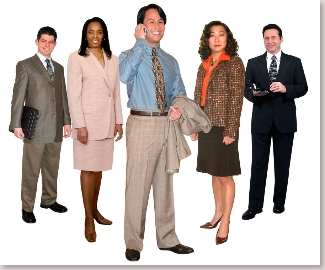
You are what you wear. Your attire reflects your personality and you dress for success or failure.
Going for an interview not only requires brushing up your CV, sharpening your mental and personal skills, but it also requires you to plan what you will wear at the interview. Dress up your best to get the best out of your interview.
Key Takeaways
- More than 50% of a hiring manager’s initial impression comes from your overall presentation — what you wear is one of the highest-leverage preparation steps you can take
- Dress one level above what you expect employees to wear day-to-day, especially for first interviews
- Solid, neutral colors in well-fitted clothing consistently outperform trendy or casual choices in interview settings
- A neat, natural hairstyle projects professionalism without the distraction of heavy styling
- The goal is always to look put-together without drawing attention to your outfit — your qualifications should be the focal point
Of course, you must be in the best of your attire when going through any sort of interview. As first impression is often the lasting one, the employer may start forming an opinion about you from your head to your feet the moment you walk in. People who lack confidence sometimes default to casual clothing — and in many interview settings, this is interpreted as lack of preparation or respect for the process.
You must not wear sweat suits, very high or spiky heels, or anything that looks overly casual. You need to look decent and confident — not sloppy. This is why most candidates opt for formal or business-casual attire for any interview, regardless of the company’s day-to-day culture.
What to Wear: A Practical Guide
Simple and Neat Hairstyle. According to most employers who conduct interviews, more than 50% of the total impression from the candidate comes from their overall presentation. Your hair is a visible part of that presentation from the moment you walk in. Keep it neat and clean without heavy styling. It is generally recommended to avoid heavy gel, wax, or styling cream for interviews — you are applying for a job, not presenting a fashion look. If your hair naturally requires some product to look tidy, use a minimal amount. The goal is clean and professional, not elaborate.
Attire with Solid Color. Solid-colored clothing in neutral tones projects professionalism and keeps the interviewer’s focus on you rather than your outfit. A formal shirt, blouse, or jacket in navy, charcoal, grey, white, or black is almost always appropriate. Avoid busy patterns, bright colors, or anything that feels more suited to a social event than a professional meeting.
Clothing That Fits Well. Even expensive clothing that fits poorly looks unprofessional. Ill-fitting clothes are distracting and can signal that you do not pay close attention to detail — a quality most employers value. If in doubt, have key interview pieces tailored. Well-fitted clothing in modest fabric communicates far more competence than a flashy outfit in the wrong size.
Footwear That Completes the Look. Clean, polished, closed-toe shoes are standard for most interview environments. Avoid sneakers, flip-flops, or worn-down footwear. Your shoes should match the formality level of the rest of your outfit.
Accessories in Moderation. A simple watch, small earrings, and a minimal necklace are appropriate. Avoid large, noisy jewelry or anything that draws attention away from the conversation. A professional bag or portfolio to carry your documents keeps you looking organized.
Industry-Specific Considerations
What you wear to a corporate finance interview is different from what you wear to a tech startup or a creative agency interview. In conservative industries such as banking, law, or accounting, full business formal remains the expectation. In technology companies, smart-casual (tailored trousers, a clean button-down or blouse) is typically appropriate. In creative fields, there is more room for personal expression — but the baseline is always clean and intentional, never sloppy.
When you are unsure, call the company’s front desk before the interview and ask: “I have an interview on [date] — could you tell me what the typical dress code is?” This question is more common than most candidates realize and almost always receives a helpful, direct answer.
Common Dressing Mistakes for Interviews
- Wearing clothes that are clean but visibly wrinkled — always iron or steam your interview outfit the night before
- Wearing strong cologne or perfume — many people are sensitive to scents, and a negative physical reaction can undermine an otherwise strong interview
- Overdressing in a way that signals you misread the culture — a three-piece suit at a casual startup can be as jarring as showing up underdressed
- Wearing clothes that are technically formal but fit poorly
- Forgetting about grooming — neat nails, clean skin, and freshly laundered clothes are the baseline
For more detail on what to wear and what to avoid, see our complete guide on interview attire.
Frequently Asked Questions
What should I wear to a job interview? Wear clean, well-fitted professional or business-casual attire in solid, neutral colors such as navy, charcoal, black, or grey. Avoid flashy accessories, casual footwear, and overly trendy outfits. The goal is to look polished and put-together without drawing attention away from what you are saying.
Does interview attire differ by industry? Yes — attire expectations vary significantly by industry. Finance, law, and corporate roles typically expect formal business dress. Tech companies and startups lean toward smart-casual. Creative industries allow more personal expression. When in doubt, call the company’s reception before the interview and ask what the typical dress code is.
Can I wear gel or styling products in my hair to an interview? A small amount of product is fine if your hair naturally looks unkempt without it. The goal is a neat, clean, and professional appearance — not an elaborate or heavily styled look. Avoid gel that leaves hair visibly wet or stiff, and ensure your style looks appropriate for a professional setting rather than a social event.
Does the color of my interview outfit matter? Yes — color signals matter to interviewers. Solid, dark colors like navy, charcoal, and black project authority and professionalism. Light neutrals like white and cream read as clean and polished. Avoid bright, saturated colors, bold patterns, or anything that draws attention to the outfit rather than to you.
What should I avoid wearing to a job interview? Avoid sweatwear, overly casual shoes, short hemlines, tight-fitting clothing, and anything with visible wear or wrinkles. Also avoid strong cologne or perfume, excessive jewelry, and clothing with logos or graphics. You want the interviewer’s focus entirely on your qualifications and conversation, not your appearance.
Get 50 Interview Questions + Expert Answers — Free
Join thousands of job seekers who've used our free guide to land more interviews.
Next step for your job search
Pick one guide and keep momentum.
Jobiety Editorial Team
Our editorial team researches and tests every piece of career advice we publish. We draw on real hiring data, interviews with recruiters, and hands-on experience to give you guidance that works.