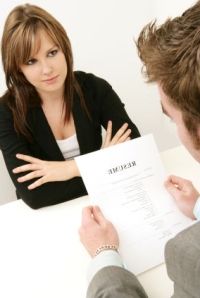
First impressions are critical during the hiring process. In fact, many executives said they form an opinion about hiring a candidate within 10 minutes, despite spending nearly an hour in the actual interview.
“The job seeker needs to remember that he or she is being assessed from the minute after walking in the door of the company,” says Julie Jansen, career coach and author of “You Want Me to Work with Who?” “The receptionist could make an impromptu comment later to the interviewer about something the candidate did or said.”
Key Takeaways
- Most hiring opinions form within the first 10 minutes — everything you do before you sit down in the interview room is being evaluated
- You are being assessed from the moment you walk into the building, not from the moment the formal interview begins
- Dress at the level of the boss or interviewer — slightly overdressing is a visible effort that backfires; underdressing signals poor judgment
- Visualizing the opening of your interview before you go in — the same mental rehearsal athletes use — is a concrete technique that produces measurably better openings
- A smart question asked early in the interview demonstrates confidence and effectively tells you what the interviewer will be evaluating throughout
Before the Interview
Ask someone close to you to assess your body language and appearance. Before your interview, ask a trusted friend or family member to watch you walk into a room, sit down, and have a brief conversation. “Maybe you don’t realize that you twirl your hair on your finger when you’re nervous or that you lick your lips or forget to smile,” says Jansen. These habits are invisible to you but immediately visible to an interviewer. Getting an honest external assessment before the interview gives you time to address them.
Video yourself answering common interview questions. Watching the footage is often revelatory — most people are surprised by posture issues, eye contact patterns, or filler words they use far more than they realize.
Dress the way the boss or interviewer would dress. “Any dressier makes you look like you’re trying too hard or are out of sync with that workplace’s culture,” says career expert Marty Nemko, author of “Cool Careers for Dummies.” “To find out what the boss wears, simply ask the person who contacted you to schedule your interview.” This single question is easy to ask and almost always answered directly — and the insight it provides is worth far more than guessing.
The goal is to match the professional level of the environment you are entering, not to stand out from it. Looking like you already belong in the role is significantly more impressive than looking like you are dressed for a different role entirely.
Get to the interview location early and use the time deliberately. “Sit in your car and mentally visualize or ‘rehearse’ how you’ll greet the interviewer,” says Richard Phillips, career coach and owner of Advantage Career Solutions. “This is the same thing that slalom skiers do before the race. Envision yourself making a good impression, and chances are you will.”
This is not a motivational metaphor — it is a well-established technique. Mental rehearsal activates the same neural pathways as physical practice. Candidates who have mentally rehearsed their opening consistently perform more naturally in those critical first minutes.
Do your homework. Research the company and learn about its products and services. Read the job description very carefully and know specifically what you have to offer. “Interviewers will quickly write off a candidate as lazy when they don’t have basic and easily available information,” says Phillips. This homework is particularly important for the first few minutes, when questions like “What do you know about us?” or “Why do you want to work here?” often appear and can set the entire tone of the conversation.
During the Interview
Convey enthusiasm from the first word. “If the interviewer asks how you are, reply, ‘I’m well and really looking forward to learning about the job and the company,’” says Phillips. “Never tell the interviewer you feel nervous.” Nervousness is understandable, but expressing it shifts the emotional dynamic of the conversation immediately. Enthusiasm, by contrast, is contagious — and it is exactly what most interviewers are looking for in a new hire.
Ask a wise question early in the interview. “For example, ‘In the end, what is most important in doing this job well?’” says Nemko. “That shows your intelligence and self-confidence in being willing to ask questions early. It also essentially gives you the answer to the test — it tells you what to stress in the rest of the interview.” Asking a smart question within the first five minutes of a conversation demonstrates strategic thinking and confident engagement — qualities that are difficult to signal any other way this early.
Tell a PAR story. Nemko advises candidates to look for an opportunity in the first few minutes to tell a three-part story. “In a PAR story, you tell of a Problem you faced, how you Approached it, and the positive Resolution.” When the interviewer asks an open-ended opening question — “Tell me about yourself” or “What drew you to this role?” — a brief PAR story within your answer demonstrates both communication skill and professional substance at the moment the interviewer is most alert.
Stick to basic etiquette rules. “Sit up straight, don’t fidget, smile politely, and speak when spoken to,” Phillips concludes. “And don’t fall into the trap of thinking that just because the interviewer is informal, you can follow suit. Remember that they’re in their own environment, and you are a guest.” Informal interviewers are often doing a very deliberate culture-fit assessment — they want to see whether you maintain professional judgment in a relaxed setting. The answer is: always.
Common First-Impression Mistakes
- Being rude or dismissive to the receptionist or anyone you pass in the lobby — this is frequently reported back to the interviewer
- Wearing an outfit you have never worn before and discovering mid-interview that it is uncomfortable
- Starting your answer to “Tell me about yourself” with “Well…” followed by a long, rambling pause
- Failing to make eye contact during your handshake, which is the most significant first-impression signal of all
- Checking your phone in the reception area — even once — before going in
For the complete interview preparation system — from research through to follow-up — see: How to Prepare for a Job Interview: The Complete Guide
by Tom Musbach, Yahoo! HotJobs
Frequently Asked Questions
How quickly do interviewers form an opinion about a candidate? Research shows that many executives form their initial hiring opinion within the first 10 minutes of an interview, despite spending close to an hour in the actual meeting. This means everything you do — from how you greet the receptionist to how you sit down and your opening sentence — happens within the window that matters most.
What should I do in the minutes before a job interview begins? Arrive at the location early, sit quietly, and mentally rehearse how you will introduce yourself and answer the opening question. Ask someone you trust to assess your body language, appearance, and any unconscious nervous habits in advance. Dress at the level of the interviewer or department you are meeting, not above or below.
What is a PAR story and how should I use it in an interview? A PAR story is a structured three-part narrative: Problem (a challenge you faced), Approach (what you specifically did), and Resolution (the positive outcome). Using a PAR story early in the interview — within the first few minutes if an opportunity arises — demonstrates strategic thinking and communication ability when the interviewer’s impression is still forming.
What should I say if the interviewer asks how I am feeling? Always respond with enthusiasm rather than admitting to nerves. A strong response is: “I am doing well and really looking forward to learning more about the role and the company.” This answer is both honest and professional, and it signals the kind of positive energy that interviewers consistently respond well to.
How do I ask a smart question early in a job interview? Prepare one or two intelligent questions in advance that you can ask naturally if a pause occurs in the first few minutes. A good early question is: “What is most important in doing this job well?” It demonstrates self-confidence and strategic thinking, and it effectively tells you what to emphasize in the rest of the interview.
Get 50 Interview Questions + Expert Answers — Free
Join thousands of job seekers who've used our free guide to land more interviews.
Next step for your job search
Pick one guide and keep momentum.
Jobiety Editorial Team
Our editorial team researches and tests every piece of career advice we publish. We draw on real hiring data, interviews with recruiters, and hands-on experience to give you guidance that works.