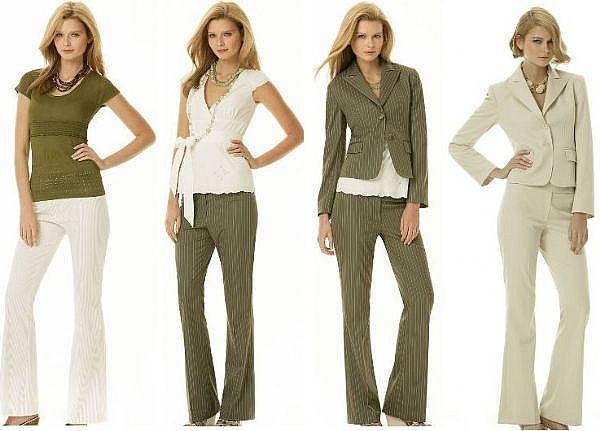
There are no rigid preset rules about what to wear to a college interview — but that does not mean anything goes.
As compared to job interviews, college interviews are mostly less formal. One of the best ways to decide what to wear to a college interview is to ask the admissions office directly — they can tell you the typical dress code straightforwardly. What looks right at an Ivy League admissions interview may be slightly more formal than at a small arts college, and knowing the specific expectation removes a lot of unnecessary guesswork.
Key Takeaways
- College interviews are less formal than job interviews, but neat, intentional attire still makes a positive impression
- Smart-casual — clean trousers or modest skirt, buttoned shirt or neat blouse — is appropriate for almost any college interview
- Shoes matter: clean, appropriate footwear completes your outfit and projects care and preparation
- Minimal accessories are better than excessive ones — the interview conversation is what matters most
- Asking a parent or trusted adult to review your outfit before the interview is a simple, worthwhile quality check
5 Tips for Deciding What to Wear to a College Interview
1. Keep it lightly formal. No college is going to penalize you for wearing a semi-formal outfit to a college interview. If you are a guy, there is no need for a tie, but a buttoned shirt tucked in and clean trousers looks polished and appropriate. If you are a young woman, a modest dress, long skirt, nice blouse with clean trousers, or a well-fitted pair of dark trousers all work well.
The goal is to look intentional and put-together, not to demonstrate fashion creativity. Admissions interviewers assess many things about you in a college interview, and your attire should support the impression you are trying to make — not distract from it.
2. Shoes matter a lot. Clean sneakers or canvas shoes are perfectly appropriate for college interviews. Young women are advised to avoid very high heels, which can be uncomfortable during a long day of campus visits and may draw more attention than warranted. Boys can always wear leather or canvas shoes. Whatever you choose, make sure your shoes are clean — dirty or worn-down footwear undermines an otherwise solid outfit. Check your shoes the night before, not the morning of the interview.
3. Beware of chunky accessories. Avoid fancy and noisy accessories. A wrist watch, one or two simple bracelets, and understated earrings or a necklace are appropriate. Girls should keep jewelry minimal. Chunky, clanging bracelets or multiple layered necklaces draw the interviewer’s eye away from your face and create a visual distraction during conversation.
Carry all your documents in a clean portfolio or folder — not loose in your backpack. Arriving organized with a neat portfolio signals attention to detail, even before the conversation begins.
4. Tidy your hair. Neat, clean hair is one of the easiest things to control and one of the first things people notice. Girls with long hair can tie it up in a bun, braid it, or use a hair band to keep it out of your face — particularly important during a conversation where you want the interviewer focused on your eyes and expression, not your hair. Boys should ensure their hair is clean and styled in a way that looks intentional.
Avoid elaborate or unusual hairstyles that feel more suited to a social event. The goal is to look like you are ready for a professional conversation.
5. Ask your parents. Parents are often excellent judges of whether you are appropriately dressed for a formal occasion. If they find something about your outfit inappropriate or distracting, chances are the admissions interviewer will too. After getting dressed, stand in front of them and ask directly: “Does this look appropriate for a college interview?” Be open to honest feedback — this is a free quality check that takes two minutes.
What a College Interview Is Actually Evaluating
College interviews assess your communication skills, your intellectual curiosity, and your ability to articulate why you are interested in that specific institution. Your attire is not the central evaluation point — but it is a framing device. Showing up neat and appropriately dressed signals that you take the opportunity seriously and that you exercise reasonable judgment.
A college interview is also excellent practice for the professional job interviews you will take later in your career. The habits you build now — preparing your outfit the night before, choosing modest and polished clothing, keeping accessories minimal — will serve you well for years.
For more guidance on professional first impressions, see our guide: How to Prepare for a Job Interview: The Complete Guide
Frequently Asked Questions
What should I wear to a college interview? Aim for smart-casual or lightly formal attire — neat trousers or a modest skirt with a clean top or buttoned shirt, in neutral or muted colors. You do not need a full suit, but avoid anything overly casual like athletic wear, ripped jeans, or graphic tee shirts. When in doubt, call the admissions office and ask.
Are college interviews more casual than job interviews? Generally yes — college interviews tend to be less formal than professional job interviews. However, this does not mean casual clothing is appropriate. Admissions interviewers still notice presentation, and dressing neatly signals that you take the opportunity seriously and have put effort into preparing.
What shoes should I wear to a college interview? Clean sneakers, canvas shoes, or leather shoes are all appropriate depending on the rest of your outfit. Young women should avoid very high heels, which can be uncomfortable and impractical. The key is that your shoes should be clean, match the overall tone of your outfit, and allow you to walk comfortably and confidently.
What accessories are appropriate for a college interview? Keep accessories minimal and non-distracting. A watch, one or two small bracelets, small earrings, and a simple necklace are appropriate. Carry your documents in a clean portfolio or folder rather than loose in your bag. Chunky, noisy, or excessive jewelry can distract from your conversation and the impression you make.
Should I ask my parents for feedback on what to wear to a college interview? Yes — a parent or trusted adult can offer useful perspective on whether your outfit looks appropriately polished. If they find something about your appearance inappropriate or off, there is a good chance the admissions interviewer will too. Their feedback is an easy, free quality check before the interview.
Get 50 Interview Questions + Expert Answers — Free
Join thousands of job seekers who've used our free guide to land more interviews.
Next step for your job search
Pick one guide and keep momentum.
Jobiety Editorial Team
Our editorial team researches and tests every piece of career advice we publish. We draw on real hiring data, interviews with recruiters, and hands-on experience to give you guidance that works.